Zariaah and the Mental Well-being of Women Artisans
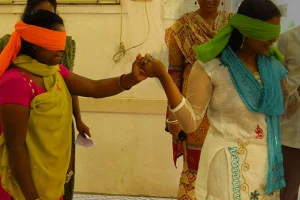
During a recent Zariaah field visit to Dogachhia village in Duttapukur, conversations unfolded over a shared meal and a walk through the neighbourhood. The women spoke about their embroidery, their families and the responsibilities that filled their days. A concern came up repeatedly: when would regular work begin, and when could they expect better earnings?
That question belongs in a conversation about mental health. When income is uncertain, so much else can feel uncertain too: paying for treatment, keeping a child in school, or meeting the next household expense. Financial dependence can also narrow the choices available to someone making decisions about her own life.
The connection is supported by research. The World Health Organisation identifies poverty, violence and inequality as factors that increase the risk of mental health conditions. A 2020 review published in Science found evidence that economic hardship can worsen mental health, while interventions such as cash transfers can improve it. These findings help explain why financial security matters to wellbeing; they do not establish what any particular livelihood initiative will achieve. [1, 2]
In Dogachhia, the women already have skills developed through years of practice. What they asked for was fairer pay, opportunities to develop their craft and work they could count on. Their conversations also revealed how earning a living sits alongside health concerns and unpaid care. Livelihood support needs to take those realities seriously, rather than simply add more work to an already demanding day.
Through Zariaah, Sanjog is working towards sustainable livelihoods for women artisans in rural West Bengal, including the Sundarbans, by strengthening traditional zari embroidery skills and access to markets. The ambition is to help women earn a fairer return from their craft and have greater control over their income and decisions.
For mental well-being, that control matters. More predictable earnings can make it easier to plan ahead. Having a say in how money is used can widen everyday choices. Being recognised as a skilled artisan can also support confidence. These are possibilities Zariaah seeks to create, not mental health outcomes that have already been measured.
Income alone cannot remove violence, stigma or emotional distress. Women also need safety, supportive relationships and access to appropriate care. Their dignity does not depend on how much they earn. Economic empowerment matters because it can give them more room to act on their own priorities.
The women’s questions in Dogachhia offer a practical starting point: reliable work, clear payment arrangements and respect for their time. Supporting a ZariPreneur means helping build those conditions. You can contribute through Sanjog’s Milaap campaign, share it with your networks, or explore market and CSR partnerships that value women’s craftsmanship.
Sources:
[1] WHO, Mental health: https://www.who.int/health-topics/mental-health
[2] Ridley et al. (2020), Poverty, depression, and anxiety: Causal evidence and mechanisms, Science. https://doi.org/10.1126/science.aay0214